Le regime de la disponibilite dans la fonction publique territoriale
16,00 €
Prix Cultura · 26/11/2026Indiqué en stockVoir le produit →
16,00 €
Indiqué en stock · État : Non précisé
Prix du catalogue mis à jour le 26/11/2026.
Importé le 26/11/2026.
Le prix et la livraison définitifs se vérifient dans le panier Cultura. Lien affilié, sans surcoût pour vous.
The tale begins with a royal settlement and a summons to obedience. At the opening, Domnall mac Aeda divides authority between his sons, naming Donnchad to the high kingship and Fiachu to another share of rule, yet the arrangement quickly points to danger, since the land is said to belong to no king for long. The opening question is therefore not only where the monks will travel, but what sort of world sends rulers, clerics, and judgment together onto the same road. From that first scene, sea voyaging becomes a test of conduct as much as of endurance. Another striking passage follows the council after that encounter. The nobles decide that Fiachu should be killed, and almost immediately a pack of hounds appears when he comes into the assembly. The dogs are set upon him, and the company leaves him alone while the beasts follow after him. The detail is vivid, almost abrupt, and it shifts the story from political dispute to hunted flight. Such a moment suits the book's wider movement: each island or encounter is both literal event and sign, with animals, rulers, and clerics all participating in the same stern moral field. The preface by Whitley Stokes gives the volume a very particular authority. He remarks on the manuscript's defects, on earlier editorial mistakes, and on the care needed when a text survives in imperfect form. He also notes that the poem attached to the tale is written in dechnad cumaisc, with twelve syllables to a line and disyllabic rhyme. That attention to source, meter, and variant readings makes the book useful beyond the story itself. Readers are invited to see how a medieval Irish tale is fixed, translated, and explained without losing its manuscript texture. At the start of the tale, two monks, Snedgus and Mac Riagail, leave Ireland in a curragh by order of Saint Columba. Their departure is not voluntary, for they are sent away and carried by the sea beyond their own land. The journey places them under religious command from the outset, and exile becomes part of the story's shape. What follows is not only travel, but a passage marked by obedience, trial, and the fate that waits beyond the shore. On these islands, the monks meet scenes of wonder: a cleric on one island, an extraordinary tree, and beings with the heads of a cat or a dog. They also encounter an island king and his people, as well as the king Donnchad and the protectors of the land. The tale fills its route with marvels, yet each strange place has its own order and meaning. The islands are bright, unusual, and crowded with figures that belong to both adventure and wonder. The story also turns toward judgment, penance, paradise, and hell, and it gives weight to the conduct of rulers. Donnchad appears among the figures who shape the tale, while the island king and his people stand within a world where authority is answerable before God. The monks' journey is not only a marvel-filled voyage, but also a meditation on the fate of souls and the conduct expected of the powerful. Morality and rule remain tied together throughout. This book is for readers who want medieval Irish literature in a form that can be studied as well as enjoyed: students of Celtic texts, readers of monastic writing, and anyone drawn to stories where the otherworld is described with the authority of doctrine. The bilingual layout suits those who wish to move between Irish and English, while the notes and preface help readers place the tale among related narratives. It also serves readers interested in penance, judgment, and sacred voyaging, since the story joins marvels to a distinctly Christian moral frame.
Description fournie par Cultura, qui peut contenir des appréciations commerciales. Elle ne constitue pas un avis ou un test Comparomax.
Non classé. Proximité de catégorie et de prix ; vérifiez le format et l’usage avant de comparer.
16,00 €
Prix Cultura · 26/11/2026Indiqué en stockVoir le produit →
16,00 €
Prix Cultura · 26/11/2026Indiqué en stockVoir le produit →
16,00 €
Prix Cultura · 26/11/2026Indiqué en stockVoir le produit →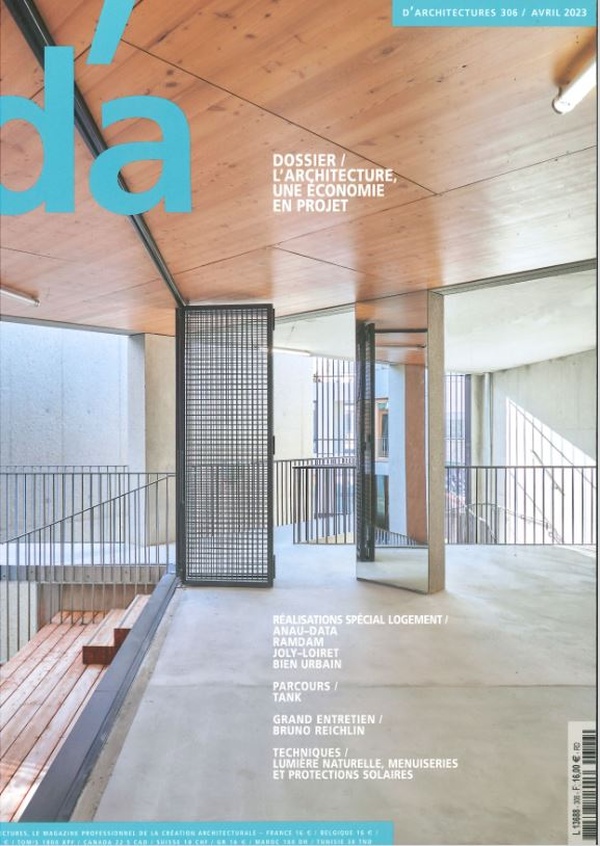
16,00 €
Prix Cultura · 26/11/2026Indiqué en stockVoir le produit →Une offre Cultura est suivie pour cette référence. Le bouton mène à sa fiche produit exacte via Awin.
Nous ne pouvons pas l’affirmer avec un seul marchand suivi. Le prix indiqué vient du catalogue Cultura à la date affichée.
L’import contrôle la présence d’une image, d’un prix et de liens correspondant au programme Cultura. Les informations descriptives restent celles du marchand ; les caractéristiques fabricant ajoutées sont explicitement sourcées.